
Find It Right The First Time!
Ground Penetrating Radar
Ground Penetrating Radar (GPR) is a non-intrusive and non-destructive method of locating underground utilities. It works by pulsing electromagnetic energy into the subsurface of the soil, rock, concrete or other in-ground medium.
Geoscope Utility Detection Services are the experts when it comes to finding buried utilities and locating underground services using ground penetrating radar in the Sydney area.
Why Is Geoscope The Best Choice In The Sydney Area For GPR Utility Locating?
Working with us will reduce unexpected delays from possible damages and reduces design and construction costs.
We use the most up to date technology, along with our extensive knowledge and experience to accurately identify the positions and depths of subsurface utilities beneath your site.
Geoscope specialize in precise subsurface utility detection and its surrounding area
Safer, Efficient And Cost-Effective
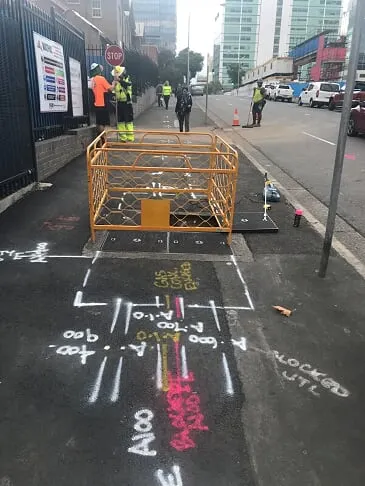
When you’re working to a tight deadline for your construction project, having your utility survey completed before you break ground can save you a lot of time and frustration later on. An accidental utility strike can cause project delays at best. At worst, it can be dangerous, or even fatal. And let’s not even start on the damages that can rack up way beyond the typical indemnity insurance amounts!
Having a utility survey completed that incorporates Ground Penetrating Radar can help you locate and map both metallic and non-metallic underground utilities and subsurface geological features. That way, you can effectively manage any risks before you break ground.
To get the most from your utility survey, employing certified and highly experienced technicians will ensure the quality results you need. Engaging with an expert underground service locating company like Geoscope fulfils your duty of care and protects your business from the risks involved with accidentally striking underground utilities during construction work.
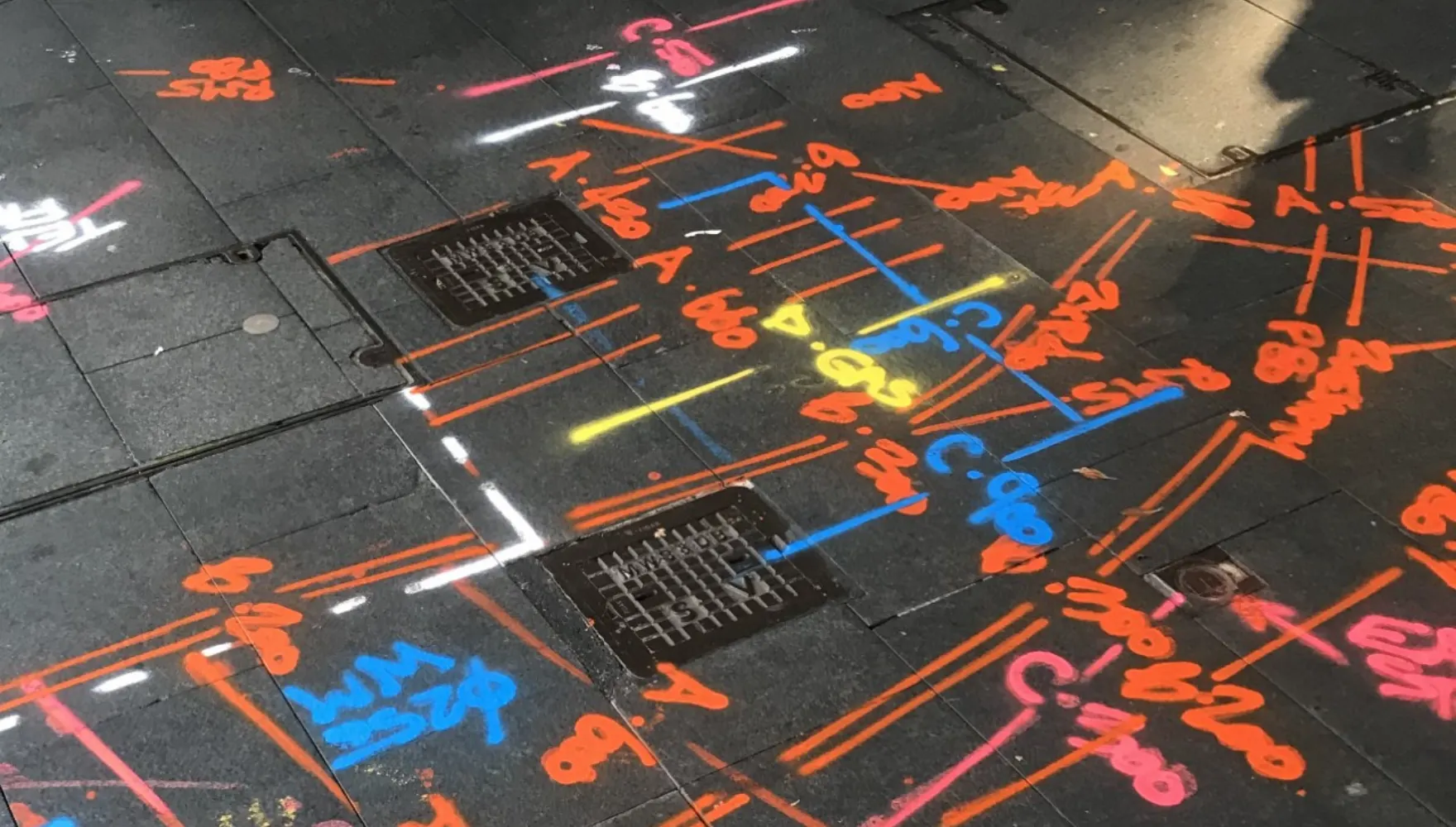
When we complete our scanning procedures in the field, we often can have the detected utilities plotted on a plan via traditional surveying methods. We can do this using total station or GPS depending on the requirements.
By accurately recording the coordinates of the site utilities, we can create a design model that is forever. Engineers no longer have to rely on timely site visits or sifting through hundreds of photos.
What Are The Key Benefits Of Using Ground Penetrating Radar For Utility Detection?
It's Cost-Effective And Efficient.
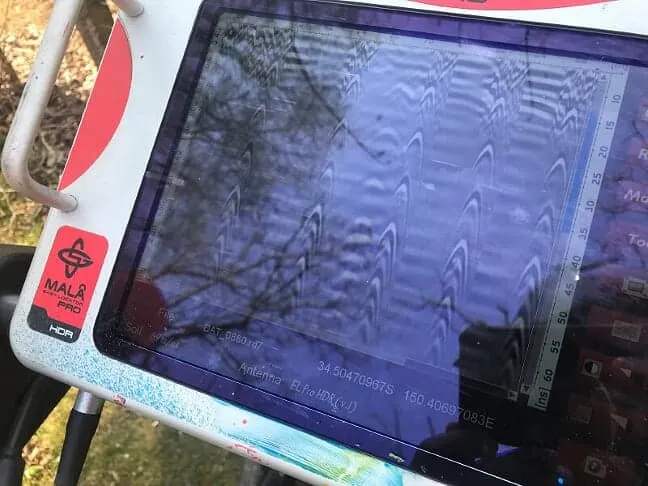
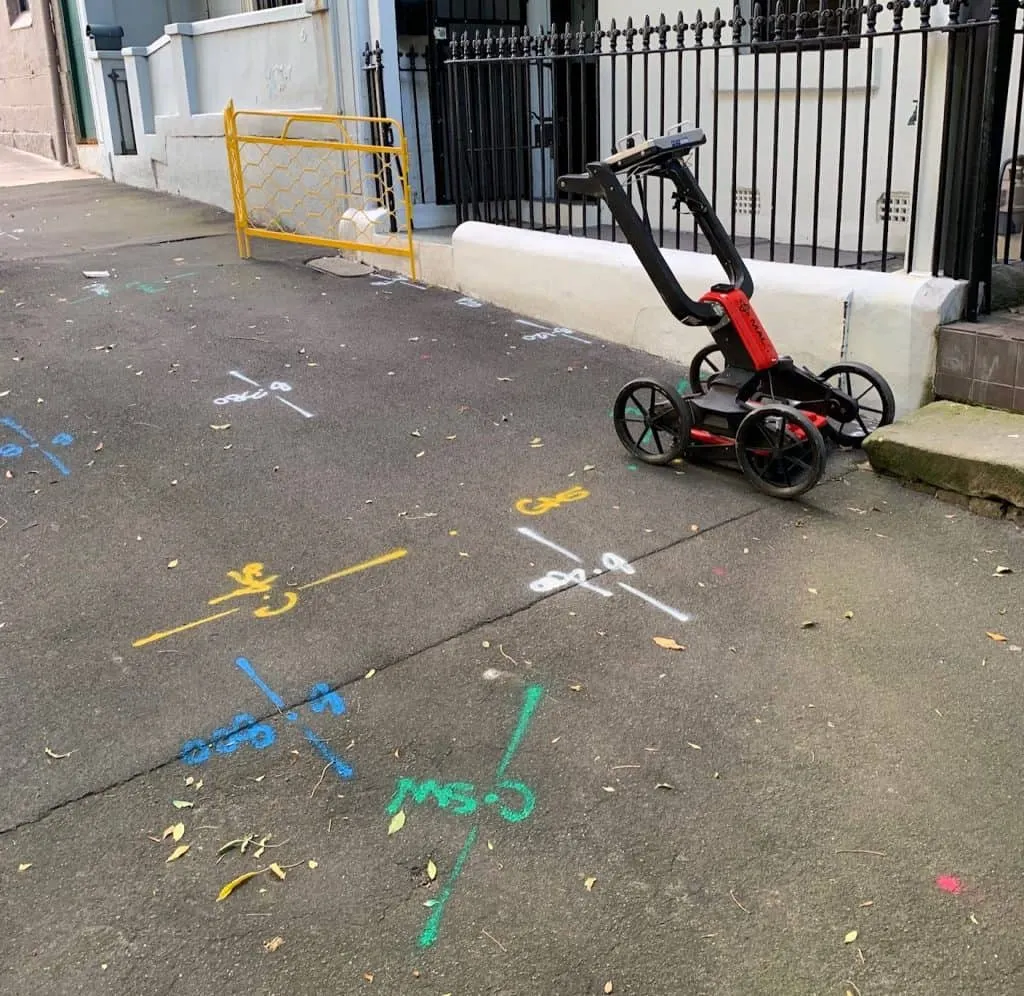
A GPR survey can be completed with minimal or zero site downtime, no structure damage, and no threat of injury to site workers. These points all make GPR the ideal solution for identifying underground utilities.
It’s Non-Destructive.
Using radar waves avoids damaging any surrounding structures. Underground pipes and cables on your site can be non-intrusively identified, located, and mapped.
Is GPR Better Than Electromagnetic Utility Locating Methods?
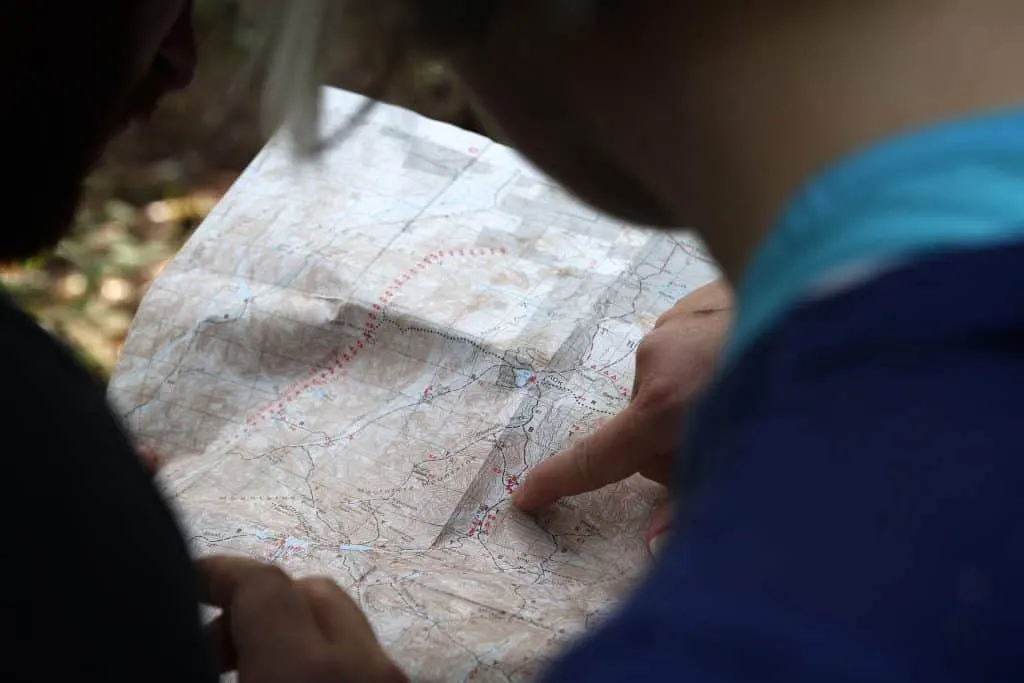
There are many different utility locating methods, and how useful they are depends on the site specific underground utility locating needs. Ground Penetrating Radar is an excellent utility locating tool, but like every other method, it has its own advantages and limitations.
If the Dial Before You Dig plans indicate that there might be non-conductive utility pipes and cables on your site, Ground Penetrating Radar (GPR) is usually the best locating method. Used together, electromagnetic and GPR technology can accurately locate the vast majority of underground utilities.
We use both GPR and electromagnetic location in combination so that we can provide the most accurate results for you.
How Does Ground Penetrating Radar Work?
The GPR device introduces radar waves into the ground at various frequencies. The exact frequency depends on the application, but the ideal frequency for utility locating is usually 450Mhz.
When the GPR locating device is moved across the surface being scanned, electromagnetic radar waves are transmitted into the ground, and the reflected signals are communicated to the receiver and stored.
Ground Penetrating Radar used in combination with electromagnetic service locating devices and potholing is one of the very BEST ways to locate underground utilities on your site.
Copyright 2022 Geoscope Utility Detection Services
This site is not a part of the YouTube, Google or Facebook website; Google Inc or Facebook Inc. Additionally, This site is NOT endorsed by YouTube, Google or Facebook in any way. FACEBOOK is a trademark of FACEBOOK, Inc. YOUTUBE is a trademark of GOOGLE Inc